Hedge Trimming in Beckenham

Hedge trimming in Beckenham should leave boundaries neat, growth controlled and shapes consistent through the seasons. Our service focuses on the practical work that keeps hedges tidy along front gardens, side returns, drive edges and larger perimeter runs, with attention to the line, density and finish of each plant. Where a hedge has become broad, uneven or too tall for straightforward maintenance, we can reduce it back into a manageable form and then keep it on a regular trim cycle.
We work with a range of hedge types, from formal evergreen screens to mixed boundary planting that needs a lighter touch. The aim is not simply to cut green growth, but to balance appearance with healthy regrowth, so the hedge keeps its shape without becoming bare at the base or ragged along the top. If you need a one-off tidy, a seasonal reshape or ongoing hedge maintenance, the right approach depends on the plant, the current condition and the finish you want.
If you are planning hedge work and want a clear way forward, start by considering the height, spread and access around the hedge. A short description of what needs doing is usually enough to begin. You can also use our site pages to compare the main service areas and then request a quotation when you are ready.
Routine hedge trimming and seasonal upkeep

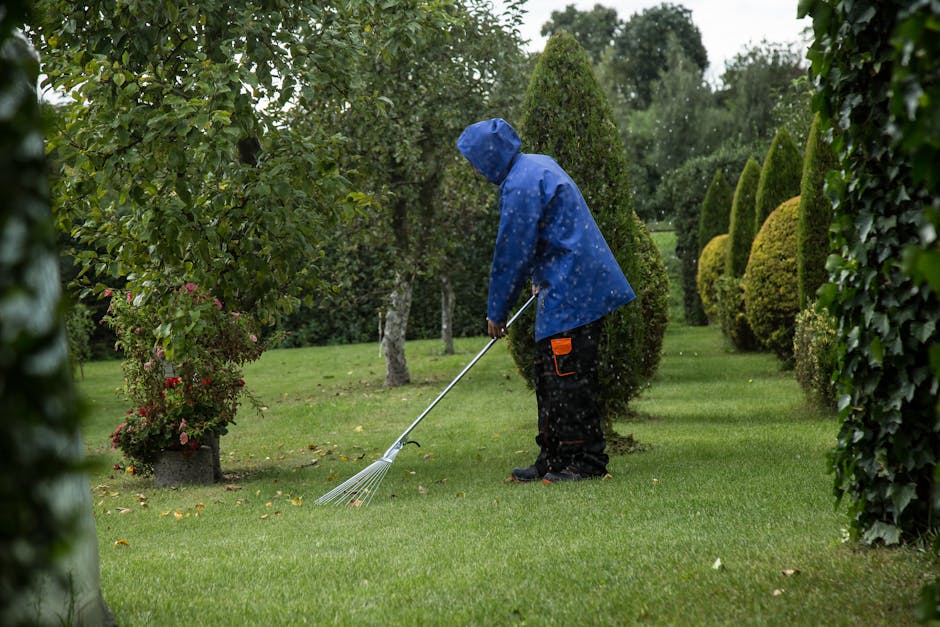
Regular hedge trimming keeps edges sharper, controls encroachment and avoids the larger corrective cuts that can be needed when growth is left too long. For many gardens, the most useful service is planned upkeep rather than a single heavy reduction. That may mean tidying the sides, flattening the top, easing a hedge away from paths or windows, or restoring the outline after a period of rapid growth. We shape with the hedge’s natural habit in mind, so the result looks deliberate rather than forced.
Garden maintenance can include hedge care as part of a broader programme for keeping outdoor areas orderly. Where hedges sit alongside borders, lawns or paving, it often makes sense to coordinate the work so the whole space looks consistent. We can support that wider maintenance approach when hedge trimming is only one part of the task, while still treating the hedge itself as a distinct feature that needs proper handling.
What routine trimming can help with
Routine work is often the best choice when the hedge already has a sound structure and only needs refinement. It can help maintain privacy, preserve clear edges and reduce the spread of growth into neighbouring spaces. In many cases, the question is not whether the hedge needs cutting, but how much should be removed and where the new line should sit. Careful trimming avoids unnecessary stress and makes future visits more predictable, especially on hedges that are expected to stay within a set width.
Shaping, reductions and more involved hedge work

When a hedge has become too tall, too wide or visibly patchy, a simple trim may not be enough. More involved hedge work can include selective reduction, rebalancing uneven sides and bringing the top line back to a useful height. The right method depends on the species, the amount of overgrowth and whether the hedge is being managed for screening, neatness or both. We aim to keep the finish practical and tidy while avoiding unnecessary strain on the plants.
Landscaping projects sometimes need hedges to be integrated with new planting, paths, edging or boundary changes. In those cases, the hedge may need careful adjustment so it fits the updated layout without dominating the design. That can mean opening up light, improving access or restoring a cleaner visual line after other work has altered the space around it.
Choosing the right level of cut
Some hedges respond well to a sharper seasonal shape, while others benefit from gentler maintenance that preserves foliage closer to the stems. A thoughtful cut can keep the hedge dense, but an over-ambitious reduction can expose gaps or leave the plant looking thin for longer than expected. We therefore treat hedge trimming as a judgement-led task: the visible result matters, but so does how the hedge is likely to grow afterwards. If you are unsure how hard a hedge should be taken back, a measured approach is usually the safer starting point.
Access, waste and practical site details
Good hedge work is not only about the cut itself. Access, the amount of arisings and the way waste is handled all affect how smoothly the job can be completed. Narrow side paths, uneven ground, nearby planting and awkward runs along fences can influence the tools and method used. Where hedges border public-facing areas, a tidy working method also matters for keeping paths, drives and entrances usable while the work is carried out.
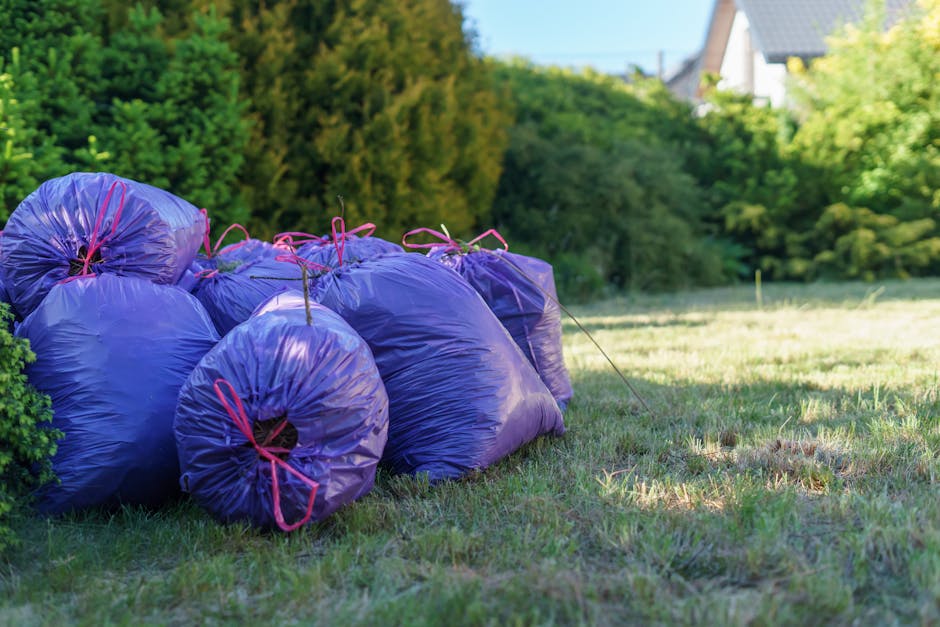
Garden clearance is useful when hedge trimming is part of a bigger tidy-up and the cuttings need to be removed along with other green waste or garden debris. That can be especially practical after a hedge has been neglected for some time, or where the surrounding area also needs clearing back to create a better finish. It helps to think of the hedge as one element in the wider outdoor space rather than as an isolated task.
- Front gardens often benefit from a lower, cleaner line that avoids blocking light or sightlines.
- Boundary hedges may need side cuts as well as top work to keep them within their space.
- Heavier growth can require more time for cutting and collection than a straightforward tidy.
- Mixed or older hedges may need a softer finish to avoid damaging sparse sections.
Hedge trimming as part of a wider garden plan

Garden maintenance is often the right context for hedges that sit within a larger sequence of seasonal tasks. A well-kept hedge looks better when the rest of the garden is also in order, including lawns, edges and surrounding beds. If you are arranging hedge trimming as part of ongoing upkeep, we can keep the hedge in step with the rest of the outdoor space rather than treating it as a one-off isolated job.
Lawn mowing may seem like a separate service, but it often goes hand in hand with hedge work because both contribute to the overall look of the garden. A crisp hedge above a rough lawn will still feel unfinished, while a neatly cut lawn beneath an overgrown hedge can look unbalanced. Coordinating the two can create a more coherent result with less visual contrast between different parts of the garden.
Why coordinated upkeep can be worthwhile
Coordinated work is mainly about achieving a consistent finish. It can also make it easier to plan regular visits, because hedges, grass and border edges often share the same seasonal rhythm. For some properties, the most efficient approach is to handle the hedge as part of a standard maintenance cycle; for others, it makes more sense to trim only when growth begins to alter shape or reduce usable space. Either way, the principle is the same: keep the hedge under control before it becomes a larger problem.
About Beckenham
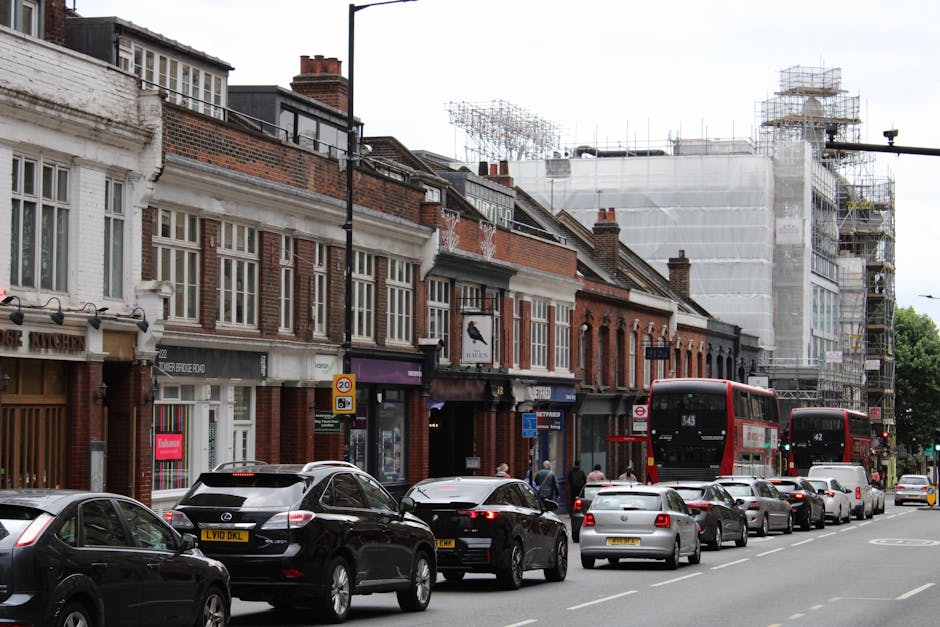
Beckenham is a district in the London Borough of Bromley, in south-east London, with a history that stretches from a rural settlement into a suburban centre shaped by transport, planned growth and changing local character. The area developed significantly after the arrival of the railway in the nineteenth century, and its present streets still reflect that shift from village surroundings to commuter suburb. It has a town centre with a mix of independent shops, familiar high street uses and civic buildings, while residential streets spread outward in terraces, semi-detached houses and later infill development. Kelsey Park is one of the best-known open spaces locally, with lakes, lawns and mature trees that provide an important green setting within the built-up area. Nearby, Beckenham Place Park offers a much larger landscape of woodland, grassland and historic parkland, and it has become a major recreational space for walking, leisure and informal gathering. The area also includes notable religious and architectural landmarks such as St George’s Church and St Edmund’s Chapel, alongside schools, sports facilities and local venues that contribute to everyday community life. Beckenham’s railway stations connect it with central London and surrounding districts, which has long influenced the way the place has grown and functioned. Although much of the district is residential, it retains a recognisable local identity through its parks, centre and layered street pattern, combining quieter side roads with busier routes and a compact commercial core.
Materials, plant types and finishing standards
Not every hedge is the same, and the finish should reflect that. Evergreen hedges usually need a denser, more regular outline, while some deciduous hedges can be shaped with a lighter, seasonal touch. Mature hedging may have thick outer growth and more open wood inside, which means the visible result can differ from a younger, tighter planting. We pay attention to those differences so the work is appropriate to the hedge rather than treated as a generic cut.
Services overview is a useful place to compare hedge trimming with other garden services if you are deciding what to book first. It can help when you are weighing up whether the hedge needs a single visit, broader garden work or a longer-term programme. If you are mainly concerned with the hedge itself, the most important question is usually how the plant is growing now and what sort of finish you want to keep.
Common finish points to consider
A tidy hedge should have clear sides, a level or deliberate top line and a shape that does not lean or flare without reason. Edges near footpaths or drives often need a slightly firmer line, while hedges that form privacy screens may need a fuller profile. The right finish also depends on how much light the hedge should let through and how much room it has to grow before the next cut. These practical details matter more than any single style of trim.
Planning a quotation for hedge trimming

When you request a quotation, it helps to describe the hedge in plain terms: roughly how long it is, whether it needs sides and top, and whether it has become significantly overgrown. If you already know that access is awkward, that the hedge is particularly tall, or that cuttings will need removing, mention that too. The more accurate the outline of the work, the easier it is to match the service to the job without unnecessary assumptions. Keep the description focused on the hedge itself rather than on the whole garden unless the whole garden is also part of the task.
Pricing and quotes can help you understand how we approach estimating for hedge trimming and related garden work. Different hedges take different amounts of time and effort, so a useful quotation is usually based on the shape, height, access and amount of growth involved. If you want a broader garden service as well, it is sensible to group the requirements together so the scope is clear from the start.
For a straightforward next step, ask for a quotation when you are ready. A clear description of the hedge and the result you want is often enough to begin. If you would like to compare hedge trimming with other maintenance options first, the service pages above can help you decide what to include.
Further work we may combine with hedge care
Hedge trimming often sits alongside other outdoor tasks that improve the overall appearance of a property. In some situations, those tasks are best arranged together so the garden can be brought into shape in a sensible order. For example, a hedge that has been trimmed back may reveal the need to neaten surrounding borders, reduce encroachment from nearby planting or tidy the lines around hard landscaping. The point is to produce a coherent finish rather than a series of separate partial results.
Landscape gardening is relevant where hedge work forms part of a broader change to the outdoor layout. If planting, structure or garden flow are being adjusted, the hedge may need to be retained, reshaped or repositioned in visual terms so it continues to work with the overall plan. This is especially useful where a hedge contributes to boundaries, enclosure or sectioning within the garden.
When hedge trimming is only one part of the job
Some properties need more than a trim because the hedge sits within an area that has other issues: overgrown edges, tired planting, or spaces that no longer feel well defined. In those cases, it can be helpful to think about the hedge together with the surrounding setting. That does not mean every project needs multiple services; rather, it means the hedge should be considered in context so the finished result looks intentional. A clean hedge line can be the starting point for a better outdoor layout.
Maintenance choices after the first trim
Once a hedge has been brought back into shape, the next decision is how to keep it there. Some customers prefer a regular trim pattern that prevents the hedge from becoming broad again, while others only book work when the outline has started to soften noticeably. The most suitable interval depends on how fast the hedge grows and how sharp you want the finish to remain. A lighter, more frequent trim can be easier to maintain than occasional heavy cuts.
Where a hedge has been reduced or reshaped, it is often worth keeping an eye on how it responds in the following season. Small adjustments can preserve the intended line more effectively than waiting until the growth has surged back. That is one reason hedge trimming works best as a considered maintenance task rather than a rushed tidy-up. If you want the hedge to stay within a defined height or width, consistency matters more than force.
Ready to compare your options? You can request a quotation once you have a clear idea of the hedge and the finish you want. If you also need wider garden work, it is worth noting that at the same time so everything can be considered together.