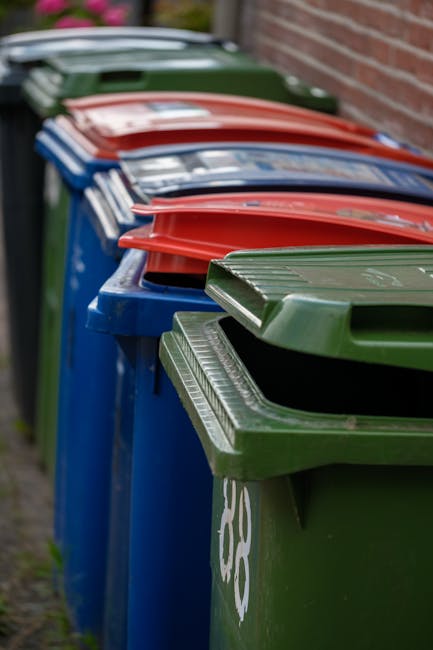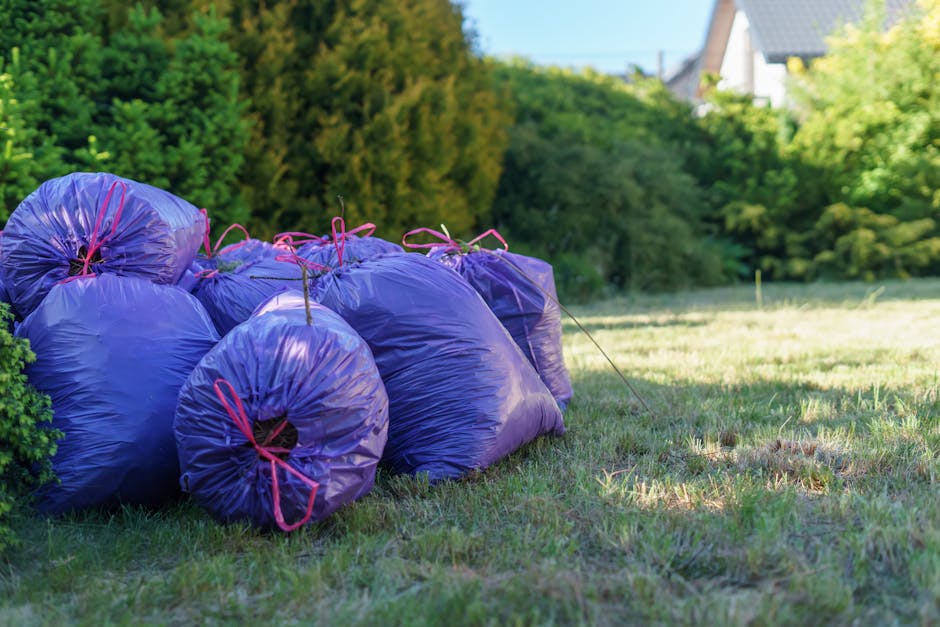
Garden waste disposal rules Bromley Council and fines: what residents need to know
If you have a heap of hedge cuttings, grass clippings, branches, or a half-filled garden bag sitting by the fence, you are not alone. Garden jobs have a funny habit of creating far more waste than you expect, especially after a big tidy-up. And if you live in Bromley, the rules around disposal matter more than most people think. The phrase Garden waste disposal rules Bromley Council and fines sounds dry, but behind it is a very practical question: how do you clear your garden legally, cheaply, and without ending up with a notice or penalty? This guide walks you through the basics, the common mistakes, and the sensible ways to stay on the right side of the rules.
To keep things straightforward, we will focus on what residents usually need to know, where garden waste tends to go wrong, and how to plan disposal properly whether you are doing a small weekend tidy or a much bigger clearance. If you are also weighing up professional help, our garden clearance service and regular garden maintenance pages may be useful context as you compare options.
Practical summary: garden waste is usually fine to dispose of if it is sorted, contained, and taken to the right place. Problems arise when it is left in the wrong bin, dumped in public space, burned unsafely, or handed to an unlicensed collector. That is where fines and enforcement can come in.
Why Garden waste disposal rules Bromley Council and fines Matters
Garden waste looks harmless. It is leaves, grass, soil, prunings, and the odd broken pot. But once it leaves your boundary, it becomes a compliance issue, not just a tidy-up job. Councils have to manage street cleanliness, fly-tipping, recycling contamination, and public safety. That is why rules exist around how garden waste is stored, moved, and handed over for disposal.
For most households, the biggest risks are not dramatic. They are ordinary, easy-to-miss mistakes: putting garden waste in the wrong container, leaving sacks on a verge, using a collector who cannot prove where the waste goes, or overfilling a vehicle so material spills out on the way to the tip. It sounds simple until you are standing there on a damp Sunday with cuttings everywhere and the bin lid refusing to shut. Been there, frankly.
Fines matter because even a small breach can become expensive if waste is dumped illegally or if you are deemed responsible for waste that was handed to the wrong person. In practical terms, knowing the local rules helps you avoid:
- fixed penalty notices for littering or fly-tipping related issues
- extra charges for contamination or non-compliant collection
- time-consuming enforcement follow-up
- the mess and frustration of having waste rejected or left behind
There is also a wider benefit. Proper disposal protects drainage, prevents pests, and keeps gardens looking healthier. If you regularly maintain hedges, lawns, and borders, the cumulative effect is huge. A tidy disposal routine saves hours later on. In our experience, that is where most people feel the real value.
How Garden waste disposal rules Bromley Council and fines Works
At a basic level, garden waste disposal works through a few common routes: council collection services where available, household waste and recycling centres, private licensed collections, or home composting where appropriate. The exact details can vary, so the safest approach is to check current Bromley Council guidance before setting anything out. That may sound obvious, but rules do shift and assumptions are where people slip up.
Here is the usual practical flow for a compliant disposal process:
- Separate your waste into clear groups such as green waste, soil, timber, rubble, plastics, and general rubbish.
- Check what is accepted by the route you plan to use. Garden waste is not the same as construction debris or household rubbish.
- Contain it properly in the right bags, bins, or vehicle load so it does not escape into the street.
- Use an approved disposal route rather than an informal van man or unverified collector.
- Keep your evidence where sensible, such as receipts, booking confirmations, or photos of what was collected.
If you are using a professional gardener or clearance team, ask how waste is handled before the work starts. A reputable provider will not mind explaining the process. In fact, they should welcome the question. If you are planning larger works, such as hedge reduction or tree work, it is worth looking at hedge trimming and tree lopping and removal to see how different jobs generate different waste streams.
Important distinction: green waste is usually plant material such as grass, leaves, and prunings. It is not the same as treated wood, soil, mixed rubble, or household junk. Mixing them up can be the quickest way to create disposal problems.
Key Benefits and Practical Advantages
Following the rules properly is not just about avoiding penalties. It makes the whole process easier, cleaner, and less stressful. You notice the difference when you are halfway through a job and the piles are separated instead of becoming one soggy mound in the corner. A bit of planning really does save effort later.
- Lower risk of fines: you reduce the chance of fixed penalties or enforcement action linked to improper disposal or fly-tipping.
- Cleaner garden workflow: sorting waste as you go keeps the work area safer and easier to manage.
- Better recycling outcomes: green waste can often be recycled or composted when it is kept separate from contaminated material.
- Less physical hassle: the right containers and collection method mean fewer awkward trips and fewer overflowing bags.
- Clearer budgeting: once you know which waste is which, you can estimate disposal costs more accurately.
There is a quiet advantage too. Gardens look and feel better when waste does not linger. You get that clean, fresh smell after a cut and clear-up, instead of the damp, sour smell of cut grass left in a heap. Small thing, but it changes how the whole space feels.
If you are comparing professional help, you may also want to look at services overview and recycling and sustainability for a wider sense of how a responsible contractor approaches waste, reuse, and disposal.
Who This Is For and When It Makes Sense
This guidance is useful for a wide range of Bromley residents, not just people doing a full garden clearance. If you trim a hedge once a month, mow a lawn every weekend, or cut back borders after a windy spell, you will generate some level of green waste. Truth be told, it sneaks up on you.
You will find this especially relevant if you are:
- a homeowner clearing seasonal garden waste after spring or autumn work
- a landlord preparing an outdoor space between tenancies
- a homeowner with a large hedge, mature trees, or a heavily planted garden
- someone renovating a garden and producing mixed waste streams
- an older resident or busy family looking for a simpler disposal option
- a DIY gardener trying to avoid a bad collection decision or a messy drive to the tip
It also makes sense if you are deciding between doing it yourself and hiring help. A small bag of clippings is one thing. Several cubic metres of cuttings, branches, and soil is another. There is a point where the fuel, time, and lifting become the real cost, not the obvious one. And yes, your car boot will smell of damp grass for days if you get it wrong.
For bigger jobs, a planned approach with garden clearance or ongoing lawn mowing can be more efficient than trying to clear everything in one exhausting afternoon.
Step-by-Step Guidance
If you want the simplest possible route, follow this sequence. It keeps things tidy and reduces the chance of mistakes.
1. Identify the waste properly
Start by checking what you have. Grass clippings, leaves, small twigs, cut flowers, and soft pruning waste are usually the easiest items to manage. Soil, old turf, stones, timber, and broken garden fixtures need more care. Mixed loads are where people often stumble.
2. Separate green waste from everything else
Keep natural plant waste apart from rubble, plastics, metal, and household rubbish. If you are removing old fencing, sleepers, or decking offcuts, do not bundle them into a green waste pile. If you need help with outdoor improvements, the decking services page may give you a sense of the kinds of materials that need different handling.
3. Decide on the disposal route
Choose the most appropriate option based on volume and type. For a few bags, a permitted collection route may be enough. For a larger clearance, a dedicated collection or removal service may be more practical. If you are unsure, smaller and cleaner loads are almost always easier to deal with than one huge mixed pile. That part is not glamorous, but it is true.
4. Load and contain waste safely
Make sure nothing spills during transport or collection. Loose branches and wet cuttings can shift around fast. On a windy day, even light material can escape if you are careless. Use secure sacks or containers, and do not overload them.
5. Keep proof where possible
If someone else is collecting your waste, keep a note of the date, what was taken, and who collected it. That is not paranoia. It is sensible housekeeping. If a problem arises later, a simple record can save a lot of stress.
6. Dispose of any special items separately
Soil, treated wood, old compost bags, broken slabs, and mixed builders' waste often need different treatment. Do not assume one service covers all of it.
Expert Tips for Better Results
Here are the little habits that make waste disposal much easier in real life. None are complicated. Most just save a mess later.
- Cut and collect on the same day where you can. Fresh cuttings are lighter to handle than wet, compacted piles left overnight.
- Use a tarp on the ground when clearing borders or hedges. It stops debris spreading through the lawn and makes loading quicker.
- Prune in stages if the job is large. A measured cut is easier to clear than one giant pile of brash.
- Separate timber early so branches, stakes, and treated wood do not get mixed with green waste.
- Think ahead about transport. If you are using your own vehicle, allow for more space than you think you need.
- Choose a regular maintenance rhythm. A little waste every few weeks is far easier than a mountain every six months.
A small but useful observation: wet leaves, especially in autumn, can turn into a slippery paste very quickly. That is not just messy. It can be hazardous on paving and steps too. If you are keeping the rest of your garden in shape, garden maintenance is often the cleaner long-term solution.
Expert summary: the safest, cheapest garden waste strategy is usually the boring one: sort early, keep loads clean, use the correct disposal route, and never assume mixed waste will be accepted just because it is outdoors.
Common Mistakes to Avoid
Most disposal headaches come from a short list of avoidable errors. The good news? Once you know them, they are easy to sidestep.
- Dumping waste on public land: even a small pile left on a pavement, verge, or shared green space can create enforcement problems.
- Mixing garden waste with general rubbish: this can make the whole load non-compliant for green waste recycling routes.
- Using an unverified collector: if a person takes your waste and tips it illegally, responsibility can come back to haunt you.
- Overloading containers or vehicles: spillage is one of the most common and visible reasons people get noticed.
- Burning waste without checking local restrictions: smoke, smell, and nuisance complaints can create avoidable trouble.
- Leaving bags out for too long: spoiled waste can attract pests and create a mess on the street.
There is also the "I'll sort it later" trap. Everyone knows it. A bag gets moved to the side, then another, then somehow the corner of the patio becomes a holding bay for three weeks. By then it is not a quick job any more. Let's face it, gardens have a way of getting away from you if you do not keep the momentum.
Tools, Resources and Recommendations
You do not need specialist equipment to handle most household garden waste, but a few simple tools help a lot. Think of this as the practical kit that keeps the process calm rather than chaotic.
- Heavy-duty garden sacks: useful for leaves, clippings, and lighter prunings.
- Tarpaulins: brilliant for dragging waste to a collection point without scattering debris.
- Rake and hand fork: simple, but still the best way to gather loose material from borders and lawns.
- Pruning saw or loppers: for cutting branches down into manageable pieces.
- Wheelbarrow: not exciting, but a huge help if you are moving waste across a larger garden.
- Protective gloves: especially useful for thorny hedges, brambles, or rough timber.
For bigger projects, use a contractor who understands both the clearance side and the finish. If the work includes hedge reduction, tree removal, or a full tidy-up before landscaping, start with landscape gardening or landscaping if you are planning a broader redesign. That way the waste plan fits the project, not the other way around.
And if you want to understand the company's wider approach to ethical working, policies, and customer handling, the following pages may help: about us, insurance and safety, health and safety policy, payment and security, and terms and conditions.
Law, Compliance, Standards, or Best Practice
For a topic like this, the safe way to think about compliance is simple: you are responsible for the waste you produce until it is properly transferred, collected, recycled, or disposed of. That general duty is the key idea most people should understand. If you give waste to someone who cannot lawfully handle it, you may still be exposed to consequences. That is why using reputable and traceable services matters.
There are a few broad best-practice points worth following:
- do not dump waste in places not meant for it
- do not place material out for collection unless the route accepts it
- do not mix incompatible waste streams just to save time
- do not assume a casual collector is properly licensed
- do keep records for larger removals where practical
Fines can arise in different ways depending on the behaviour involved. In everyday language, the riskiest patterns are fly-tipping, littering, unlawful disposal, and nuisance caused by smoke or spillage. Councils may issue penalties or pursue enforcement if a case is serious enough. The exact outcome depends on the circumstances, so avoid guessing and take the conservative route.
If you are unsure whether a load is compliant, ask before the waste leaves your property. That one question can prevent a lot of unnecessary hassle. Honestly, it is better to sound cautious than to explain a dodgy pile of branches later.
Options, Methods, or Comparison Table
Here is a straightforward comparison of the most common ways to deal with garden waste in a Bromley setting.
| Method | Best for | Advantages | Watch-outs |
|---|---|---|---|
| Home composting | Leaves, grass, soft clippings | Low-cost, convenient, good for reuse | Not suitable for all waste types; needs space and time |
| Council collection or permitted municipal route | Regular household green waste | Simple, structured, usually straightforward | May have limits on accepted materials, volumes, or presentation |
| DIY transport to a waste site | Moderate loads | Direct control over sorting and drop-off | Time, fuel, lifting, and vehicle cleanliness |
| Professional garden clearance | Large or mixed loads | Fast, less physical effort, helpful for one-off jobs | Needs careful provider selection and clear scope |
If your garden waste is mostly clean, light, and repetitive, a simple routine works well. If the waste is bulky, thorny, wet, or mixed with old materials, professional help becomes much more attractive. A lot of people only realise this halfway through loading the car. At that point, the hedge is winning.
Case Study or Real-World Example
Imagine a typical Bromley semi with a medium-sized rear garden. The homeowner has cut back a laurel hedge, mowed the lawn, and tidied a border after a stormy weekend. By the end, there are three bags of clippings, a pile of branches, and a few bits of old edging pulled out for replacement.
At first glance, it feels like a simple throw-it-all-away job. But the load actually contains different waste types:
- green waste: grass, leaves, soft cuttings
- woody material: branches and hedge trimmings
- non-green waste: old edging or broken fixtures
The homeowner sorts it before collection, keeps the woody material separate, and makes sure the non-green items are handled properly. That small bit of organisation makes the disposal route clearer and reduces the chance of rejection. It also means less mess on the driveway. On a damp evening, with the light fading and the wheelbarrow wheels leaving little tracks in the gravel, that order matters more than you might think.
Now compare that with the same job done carelessly. Bags are mixed, branches are loose in the boot, and an old timber sleeper is tucked in beside the clippings. The collector cannot treat the load as clean green waste, and the homeowner has to sort it again. Not ideal. Not the end of the world either, but avoidable.
Practical Checklist
Use this checklist before you leave waste out, load it into a vehicle, or book a clearance service.
- Have I separated green waste from rubbish, rubble, and treated timber?
- Do I know which disposal route accepts this type of waste?
- Are the bags, bins, or vehicle load secure and spill-free?
- Have I checked whether anything needs special handling?
- Do I have any booking notes, receipts, or collection details saved?
- Is my waste likely to be accepted as presented, or does it need re-sorting?
- Have I kept paths and pavements clear so nothing creates a hazard?
- Have I avoided leaving waste where it could become an eyesore or nuisance?
If you tick all of those off, you are in a much better place. That is the difference between a tidy, legal job and a stressful one.
Conclusion
Garden waste disposal does not need to become a headache. The key is to sort early, use the right route, and avoid the easy mistakes that lead to fines or awkward follow-up. For Bromley residents, that means thinking ahead about what is green waste, what is not, and who is actually taking responsibility for the material once it leaves your garden.
If you remember nothing else, remember this: clean waste, clear separation, and a legitimate disposal route will save time, money, and a fair bit of irritation. That is usually the winning combination. And if the job has grown beyond a quick weekend tidy, bringing in professional help can make the whole process feel lighter and more manageable.
For support with larger clearances, ongoing upkeep, or a one-off garden reset, explore the relevant service pages and choose the approach that fits your space and schedule. A well-kept garden is easier to enjoy, easier to maintain, and far less likely to turn into a disposal puzzle.
Get a free quote today and see how much you can save.
Frequently Asked Questions
What counts as garden waste in Bromley?
Garden waste usually includes grass cuttings, leaves, hedge trimmings, small branches, weeds, and other plant material. Soil, rubble, treated wood, and household rubbish are typically treated separately, so it is worth sorting them before disposal.
Can I put garden waste in my regular household bin?
That depends on the bin type and the council rules in force at the time. In many cases, mixed or excessive green waste is not suitable for the general rubbish bin. Check the current local guidance before putting anything out, because contamination can be an issue.
What are the main fines linked to garden waste disposal?
The most common problems involve fly-tipping, littering, illegal dumping, and handing waste to someone who disposes of it unlawfully. The exact penalty depends on the circumstances, so the safest approach is to avoid informal disposal and keep records where you can.
Is it legal to burn garden waste at home?
It can be allowed in some situations, but it may also cause nuisance, smoke complaints, or local restrictions. Even when burning is not outright prohibited, it is often the least neighbour-friendly option. Many people find composting or collection far simpler.
What is the easiest way to get rid of a large pile of hedge cuttings?
The easiest route is usually to keep the cuttings separate, bundle them safely, and choose a disposal option that handles green waste in bulk. For bigger jobs, a professional garden clearance service is often more practical than repeated trips with a car full of branches.
Can I mix soil with garden waste?
It is better not to. Soil, turf, and stones can change how a load is classified and may stop it being accepted as clean green waste. Separate it out if you can; it makes life much easier and avoids surprise rejections.
How can I tell if a waste collector is legitimate?
Ask how the waste will be handled, where it will go, and whether they can explain their disposal process clearly. A proper provider should be comfortable talking about it. If the answer is vague, that is a warning sign, simple as that.
Do I need to keep proof of garden waste collection?
For larger jobs, yes, it is wise. A receipt, job note, or booking confirmation can help if questions arise later. For small personal clearances, it may not be essential, but keeping a record is still a sensible habit.
What should I do with branches and thicker cuttings?
Break them down into manageable pieces and keep them separate from soft green waste. Woody material is usually easier to handle when it is tied, stacked neatly, or grouped into a separate load.
How often should garden waste be cleared to avoid problems?
That depends on the size of your garden and how fast it grows, but regular maintenance is the best way to avoid large, awkward piles. A little often is usually better than one huge seasonal clear-out. Your back will thank you too.
Where can I find help if my garden has become overwhelming?
If the job has grown too large to handle comfortably, look at support for garden clearance, ongoing maintenance, and related outdoor work. A structured service approach can save time and reduce the risk of disposal mistakes. If you need to speak with the team, the contact us page is available.
Does a professional gardener handle waste disposal for me?
Often, yes, but you should always confirm exactly what is included. Some services remove green waste as part of the job, while others may leave disposal arrangements to the homeowner. Ask before work starts so there are no surprises.
What is the safest practical approach for most homeowners?
Sort waste carefully, keep green waste separate, avoid leaving material where it can spill or become a nuisance, and use a proper disposal route. That simple routine prevents most of the common issues people run into, and it keeps the whole process far less stressful.