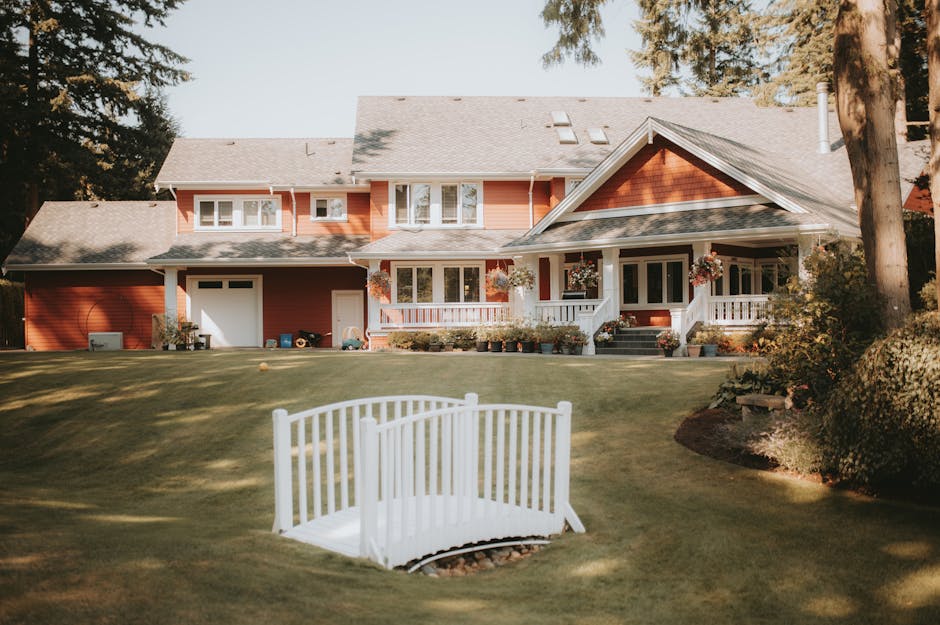
Gardeners for Park Langley homes price guide BR3
If you are comparing gardeners for Park Langley homes price guide BR3 options, you are probably trying to answer a very practical question: what should decent garden care cost, and what should you expect in return? Fair question. In Park Langley, where many homes have established gardens, tidy frontages, mature hedges, and the occasional "how did that get so wild?" patch at the back, pricing is rarely just about time on site. It is about access, garden size, season, scope, and the level of finish you want.
This guide breaks the subject down in plain English. You will see how local garden pricing is typically shaped, what different types of work tend to cost relative to one another, when a one-off visit makes sense, and where homeowners often overspend without noticing. You will also find a practical checklist, a comparison table, and a realistic example so you can make a better decision before asking for quotes. If you need a broader overview of what a professional team can handle, the services overview is a useful place to start.
Table of Contents
- Why Gardeners for Park Langley homes price guide BR3 Matters
- How Gardeners for Park Langley homes price guide BR3 Works
- Key Benefits and Practical Advantages
- Who This Is For and When It Makes Sense
- Step-by-Step Guidance
- Expert Tips for Better Results
- Common Mistakes to Avoid
- Tools, Resources and Recommendations
- Law, Compliance, Standards, or Best Practice
- Options, Methods, or Comparison Table
- Case Study or Real-World Example
- Practical Checklist
- Conclusion
- Frequently Asked Questions
Why Gardeners for Park Langley homes price guide BR3 Matters
Price matters because garden work can look simple from the patio door and turn into a bigger job the second a gardener starts properly. A neat border, a hedge that has "just gone a bit floppy," or a lawn that needs rescue after a wet spell can all change the amount of labour involved. For Park Langley homes, that can be especially true because many gardens are layered, mature, and not always easy to access with equipment.
A good price guide helps you avoid two common problems. First, paying too much for routine work that should be straightforward. Second, underestimating what is involved and then feeling surprised when the quote reflects the real workload. Nobody likes that moment. To be fair, most homeowners do not mind paying a fair price; they just want to understand how it is calculated.
It also matters because garden maintenance is usually ongoing, not a one-off rescue mission. A sensible pricing approach gives you a way to compare monthly maintenance, seasonal clear-ups, hedge cutting, lawn care, and special tasks without guessing. That makes planning easier, especially if you want the front garden to stay presentable and the back garden to feel usable rather than constantly "nearly sorted."
For homeowners who care about reassurance as much as appearance, there is another layer here too: trust. You want to know the work will be done safely, professionally, and with respect for your property. Pages like insurance and safety and health and safety policy are worth checking when you are comparing providers because they help show how seriously the business handles the practical side of the job.
How Gardeners for Park Langley homes price guide BR3 Works
Most garden pricing is based on a mixture of labour time, task complexity, garden condition, and waste disposal. That sounds obvious, but the detail matters. A tidy border can be quick. A border buried under weeds, roots, and last autumn's fallen leaves is a different story entirely.
In practice, a gardener will usually assess several things:
- the size of the garden
- the type of work required
- how often the work is needed
- access to the front, side, and rear of the property
- whether cuttings, soil, or green waste need removing
- the condition of lawns, hedges, beds, and shrubs
- whether specialist tools or extra staff are needed
A simple one-off tidy-up often costs less than a full garden restoration, but restoration can be value for money if the space has been neglected. You might think, "It's just an afternoon's work." Then you see bags of clippings, tangled ivy, a hedge that has swallowed the fence line, and half an hour is gone just in planning. Happens all the time.
For Park Langley homes, the price may also reflect local expectations. Many homeowners want a clean, controlled finish rather than a rough cut-and-go service. That usually means more care around edges, beds, paved areas, and shaping, which is fair enough if the front garden is part of the home's first impression.
If you are comparing quotes, a page like pricing and quotes can help you understand how estimates are put together and what details to provide when requesting one. The more accurately you describe the job, the less chance of awkward surprises later.
Key Benefits and Practical Advantages
There is more to hiring a gardener than saving time, though time is a big one. A well-priced service can improve how your whole property feels, and in a leafy area like Park Langley, that small difference is often noticeable from the street. Fresh edges, a trimmed hedge, and a healthy lawn change the tone of a property almost immediately.
Here are the main practical advantages:
- Cleaner, more consistent presentation - ideal if you care about kerb appeal or simply do not want the front garden looking scruffy.
- Less seasonal stress - spring growth and autumn leaf fall can be relentless; regular help takes the pressure off.
- Better plant health - good pruning and maintenance can support stronger growth and reduce avoidable damage.
- Safer outdoor space - uneven paths, hidden debris, or overgrown access routes can become hazards if left too long.
- More predictable spending - regular visits often make costs easier to plan than repeated emergency clean-ups.
There is also a quieter benefit people often underestimate: peace of mind. You stop carrying the garden in your head all week. That alone is worth something.
One more practical point. A good gardener is not just "someone with tools." They should be able to spot what needs doing now, what can wait, and what might become costly if ignored. That judgment is part of the service, and it is one reason properly set pricing matters.
Who This Is For and When It Makes Sense
This kind of pricing guide is most useful if you are a homeowner, landlord, or property manager in BR3 and you want a realistic sense of what local garden care should cost before you book anything. It is especially relevant if your garden includes hedges, lawn edges, mature shrubs, or planting that needs a steady hand.
It tends to make most sense in these situations:
- you want a one-off tidy-up before guests arrive or a property goes on the market
- you need routine maintenance every few weeks or once a month
- the garden has become overgrown and needs a proper reset
- your hedge is getting too large for safe DIY trimming
- you prefer a reliable professional rather than doing seasonal work yourself
Some people only need occasional help, and that is perfectly normal. Others prefer a recurring visit because it is easier to keep a garden in good order than to let it slide and fix it later. Truth be told, the second option often costs more overall. Not always, but often.
If you are unsure what level of support fits your property, reviewing the available garden services overview can help you separate routine maintenance from more involved work such as hedge trimming, clearance, or seasonal refreshes.
Step-by-Step Guidance
If you want a better quote and better results, a little preparation goes a long way. You do not need a perfect brief. Just a clear one.
- Walk the garden first. Look at what is actually bothering you. Is it the lawn, the hedge line, the weeds, or the general mess?
- Separate urgent jobs from nice-to-have jobs. If the hedge is blocking light or access, that is higher priority than reorganising the borders.
- Note access issues. Narrow side passages, locked gates, steps, or long carry distances can affect price and timing.
- Decide whether you want a one-off or regular visit. Regular maintenance often costs less per visit than repeated rescue jobs.
- Ask what is included. Does the quote cover removal of waste, edging, pruning, or just cutting back visible growth?
- Compare like for like. A cheaper quote may omit disposal, finish detail, or follow-up time.
- Confirm timing and frequency. Seasonal growth can make a big difference. A spring visit may need a very different approach from a midwinter one.
A useful way to think about it: the clearer your brief, the more reliable the quote. Simple as that. If you say "front and back garden tidy" you may get a broad estimate. If you say "trim one medium hedge, cut back shrubs, edge two lawns, and remove green waste," you are far more likely to get a useful answer.
If you are ready to request pricing, the contact page is the natural next step for sending your requirements in one go. Include photos if you can. They save everyone time.
Expert Tips for Better Results
Here is the bit that saves people money and annoyance. A few small choices make a disproportionate difference to the final result.
- Ask about waste handling early. Green waste can change the quote more than you might expect, especially after a substantial hedge cut or clearance.
- Group tasks together. If the gardener is already on site, it is often more efficient to combine jobs rather than book multiple separate visits.
- Be honest about the garden condition. A half-truth on the briefing usually becomes a larger invoice later. Better to be upfront.
- Choose the right season. Some work is quicker and cleaner at certain times of year, while heavy rain or frozen ground can slow things down.
- Look for steady maintenance, not just one-off drama. Gardens generally respond better to regular care. The plants seem to know. Strange, but true.
Also, if you have a privacy hedge or a boundary that has outgrown its shape, ask how the gardener handles cut lines, regrowth, and cleanup. A tidy hedge cut can look brilliant for weeks; a poor one can look ragged from day one. You notice it every time you open the curtains.
And here is a small but useful human note: the best quotes are often the ones that ask sensible questions. If a provider wants to know access, waste, and what you want the garden to feel like, not just what you want cut, that is a good sign.
Common Mistakes to Avoid
Most pricing mistakes come from incomplete information or comparing the wrong things. Easy to do, especially when you just want the job done quickly.
- Choosing the lowest quote without checking what is included. Cheap can be fine. Cheap and vague is where trouble begins.
- Ignoring waste removal. A garden can look tidy after cutting, but if the clippings stay behind, the job is only half done.
- Underestimating overgrowth. Thick hedges, brambles, and long-neglected borders take much longer than a routine tidy.
- Not mentioning access constraints. If the gardener has to carry everything through a tight house route, that affects the work.
- Assuming every gardener prices the same way. Some quote hourly, some by task, some by visit. Comparing them blindly is a mess.
Another common one: homeowners forget to say what "finished" means to them. For one person, that means just a trim. For another, it means crisp edges, cleared paths, swept patios, and the sort of polish that makes the space feel properly looked after. Be specific. It is worth it.
Then there is the seasonal trap. In a burst of warm weather, everything grows fast and people suddenly call at once. You may get a more rushed date or a slightly higher price because the calendar is full. You can almost hear the lawn growing on a damp May morning.
Tools, Resources and Recommendations
You do not need a shed full of professional kit to make a good decision, but a few simple resources help a lot.
- A phone camera - photographs of the front, back, side access, hedges, and problem areas make quoting easier and more accurate.
- A notepad or notes app - jot down what you want done, what can wait, and any awkward areas.
- Measuring roughly - even approximate hedge length or lawn size helps more than people think.
- A realistic budget range - decide what you are comfortable spending before the quote arrives.
- A list of must-haves - for example, "clear the path," "trim the hedge," "remove waste," or "leave the beds untouched."
For homeowners who like to understand the business side too, pages such as payment and security and about us can help build confidence in how a company handles transactions and who you are dealing with. That may sound like a small thing, but in real life it matters.
When sustainability matters to you, it is sensible to ask about disposal and recycling. The recycling and sustainability page is useful if you want to understand how green waste is handled and what environmentally minded garden care can look like.
Law, Compliance, Standards, or Best Practice
Garden maintenance is not usually a highly regulated service in the way some trades are, but there are still important standards of practice. If a gardener is working on your property, you should expect sensible precautions around tools, ladders, slips, waste handling, and property protection. That is basic professionalism, not a bonus.
For homeowners, a few things are worth keeping in mind:
- Insurance matters. If equipment is used or work is being carried out near windows, paths, or shared boundaries, appropriate cover is a sensible safeguard.
- Safety practices matter. Hedge cutting and clearance can involve sharp tools, falling debris, and uneven ground.
- Waste handling should be clear. Green waste should be managed responsibly and not dumped in an unhelpful heap at the end of the garden.
- Property boundaries should be respected. This is especially relevant where hedges, fences, or overhanging growth sit close to neighbouring land.
Best practice also includes clear communication about scope, timing, and what happens if the job changes on arrival. For example, if a hedge is much thicker than expected or there is hidden debris, a good provider should explain the impact before proceeding. That sort of openness helps avoid a lot of friction later.
If you want extra reassurance on operational standards, review the health and safety policy, insurance and safety, and, where relevant, the terms and conditions. They are not glamorous reading. Still useful though.
Options, Methods, or Comparison Table
Different service approaches suit different gardens. A compact comparison can help you decide what you actually need instead of guessing. And let's be honest, guessing is how people end up paying for a full tidy when all they wanted was a hedge trim.
| Service approach | Best for | Typical strengths | Things to watch |
|---|---|---|---|
| One-off tidy-up | Overgrown or neglected gardens, pre-sale prep, post-winter refresh | Fast visible improvement, flexible scope | Can cost more if the garden needs a major reset |
| Regular maintenance | Homes that need ongoing upkeep | More predictable, usually easier to budget | Requires consistency and a clear schedule |
| Seasonal visits | Gardens that need extra work in spring and autumn | Matches growth cycles and leaf fall | May not keep the garden tidy enough between visits |
| Task-specific work | Hedge cutting, lawn edging, pruning, clearance | Good if only one area needs attention | Can become inefficient if several jobs are needed separately |
If you are unsure which route is best, a combination often works well: regular light maintenance plus occasional seasonal work. That can be more cost-effective than letting everything pile up and then calling for a rescue mission when the garden has become its own small ecosystem.
Case Study or Real-World Example
Picture a typical Park Langley front and back garden. The front hedge has grown above eye level, the lawn has uneven edges, and the back border has softened into a mix of weeds, tired shrubs, and leaf litter. Nothing dramatic, just one of those gardens that keeps nagging at you every time you put the kettle on.
The homeowner asks for help and is given a quote after sharing photos and a rough list of priorities. Instead of saying "make everything perfect," they specify the main goal: restore the front presentation, tidy the back, and remove all green waste. The gardener then splits the job into practical parts:
- trim the front hedge and shape the sides
- edge and tidy the lawn
- cut back overgrowth in the rear beds
- collect clippings and dispose of waste responsibly
The result is a cleaner, calmer garden that looks cared for again. Not a showroom, not some glossy catalogue scene. Just properly sorted. The key lesson is that pricing became sensible once the task was defined clearly.
What changed the outcome? Two things. First, the quote matched the real work. Second, the homeowner understood that the cost reflected both the visible work and the invisible bits: access, cleanup, and the time needed to finish it neatly. That is usually where good value lives.
Practical Checklist
Use this before requesting a quote or booking a visit. It will save time, and probably a small amount of back-and-forth too.
- Know whether you need one-off work or regular maintenance
- Identify the main tasks: hedge, lawn, beds, borders, clearance, waste removal
- Take a few clear photos from different angles
- Check access routes, gates, and parking options
- Note any fragile surfaces, ornaments, or tight spaces
- Confirm whether green waste should be removed
- Ask if the quote is fixed or estimated
- Ask how soon the work can be done
- Check whether insurance and safety procedures are in place
- Review payment terms before agreeing
There is a nice side effect to doing this properly: the quote feels calmer. Less like a gamble, more like a proper decision. And that, in a busy week, is underrated.
Get a free quote today and see how much you can save.
Conclusion
A good Gardeners for Park Langley homes price guide BR3 should do more than throw out rough numbers. It should help you understand what drives cost, what quality looks like, and how to compare quotes without getting lost in the detail. In a neighbourhood where presentation, practicality, and property care all matter, a thoughtful approach usually pays off.
The best decision is rarely the cheapest one, and it is not always the most expensive one either. It is the one that matches the job, the garden, and the standard you want to live with week after week. If your outdoor space has been quietly asking for attention, now is as good a time as any to sort it. Nothing dramatic. Just a better garden, and a bit more breathing room.
Frequently Asked Questions
How much do gardeners in Park Langley usually charge for basic maintenance?
Basic maintenance is usually priced according to time, garden size, and what is included. A small routine visit will generally cost less than a larger tidy-up, especially if waste removal or detailed edging is part of the job. The best way to compare is to ask for a clear task list.
What affects the price of garden work in BR3 the most?
The biggest factors are garden condition, access, the type of work needed, and whether cuttings or debris must be removed. Seasonal growth and overgrown hedges can also make a noticeable difference. A garden that looks "pretty much fine" can still take far longer than expected once work starts.
Is a one-off garden tidy-up better value than regular maintenance?
It depends on the state of the garden. If the space is badly overgrown, a one-off tidy-up may be the right first step. If you want the garden to stay in good order, regular maintenance is often better value over time because it prevents larger jobs from building up.
Should hedge trimming and waste removal be quoted separately?
They can be, yes. Some gardeners include waste removal in the price, while others list it as an extra. Always ask. Otherwise you may compare two quotes that look similar but cover very different levels of service.
Do Park Langley gardens need a different approach because of property style or layout?
Often they do. Many gardens in the area have mature planting, boundary hedges, side access, or established layouts that need more careful handling than a very small modern plot. That does not mean the work is complicated, just that it is worth quoting accurately from the start.
How often should a typical garden be maintained?
That depends on growth rate, layout, and what you want the space to look like. Some gardens need monthly attention, others need seasonal visits, and some need a little more help during spring and early summer. If the garden is used a lot, more frequent maintenance usually keeps it looking better.
What should I ask before hiring a gardener?
Ask what is included, whether waste removal is covered, whether they are insured, how they handle safety, and how they price larger or more complex jobs. It also helps to ask how they would approach your specific garden rather than only asking for a price.
Can I get a quote from photos alone?
Sometimes, yes. Photos can be enough for many standard jobs, especially if the brief is clear. For larger gardens or overgrown work, a site visit may be more accurate. Either way, photos are a very good starting point and usually speed things up.
Why do some quotes seem much lower than others?
Usually because the scope is different. A lower quote may exclude waste removal, detailed finishing, or extra labour. It can also reflect less time on site. Always compare like for like before deciding which quote is genuinely better.
What if my garden is badly overgrown?
Be upfront about it. Overgrown gardens take longer to assess and clear, so a clear description helps the gardener give a fair estimate. In many cases, it is better to start with a restoration tidy-up and then move to regular maintenance afterwards.
Are safety and insurance really necessary for garden work?
Yes, they are sensible and should not be treated as optional extras. Garden work often involves tools, ladders, slips, and moving debris, so proper cover and safe working practices matter. If a provider is professional, they should be comfortable discussing both.
How do I know if I am getting good value for money?
Good value usually shows up in the details: clear communication, a realistic scope, tidy finishing, waste handled properly, and a price that matches the work completed. If everything feels transparent and the garden looks genuinely improved, that is usually a strong sign you chose well.